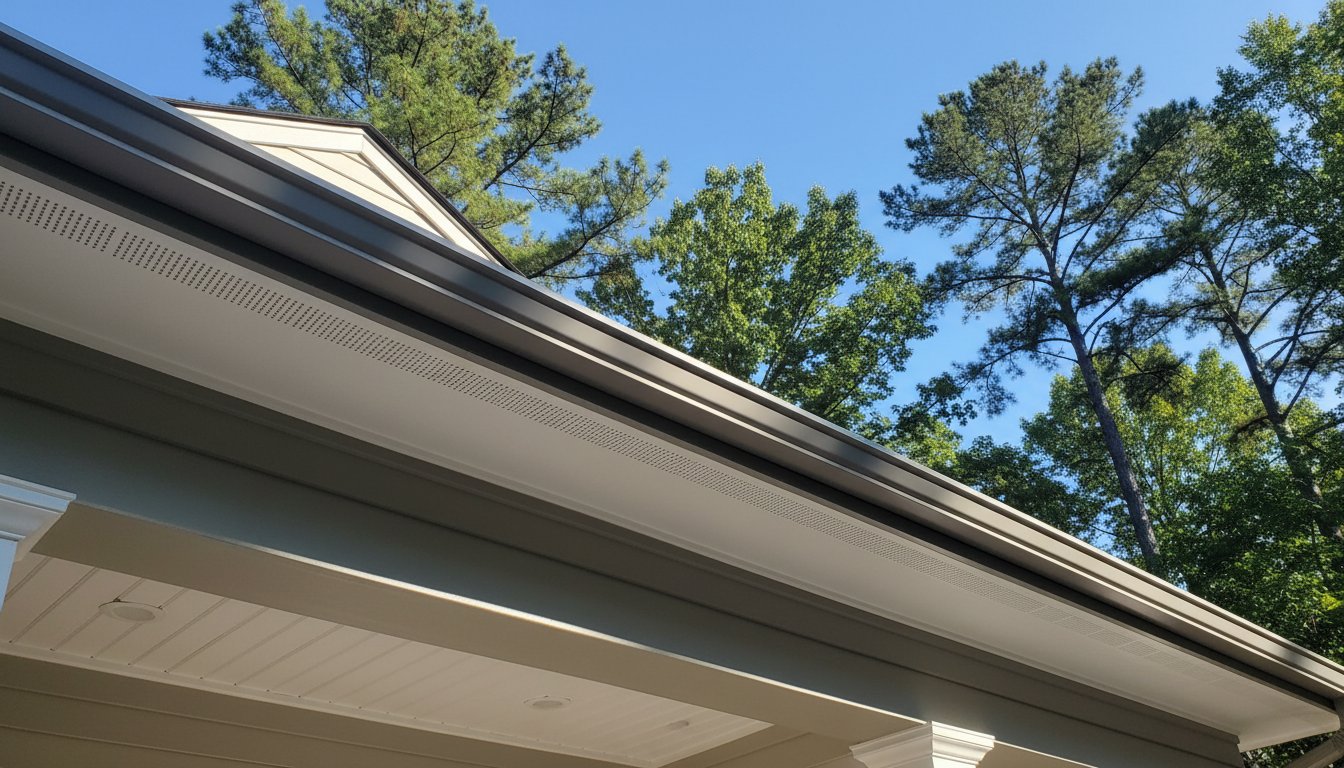
Last July, a family in Cumming watched their monthly power bill climb 18% higher than the previous year, even though they hadn't changed their cooling habits. The culprit wasn't a failing AC unit, but a clogged and rotting soffit that had effectively choked their home's ventilation. This horizontal surface under your roof's overhang is your first line of defense against the brutal Georgia sun. When it's compromised, your attic traps stagnant, boiling air that forces your HVAC system to work overtime.
You likely take great pride in your home's curb appeal, so seeing peeling paint or evidence of wasps nesting under your eaves is deeply unsettling. We agree that your home should be a sanctuary, not a source of stress. This guide will help you understand how a well-maintained soffit protects your roof deck from moisture and keeps local wildlife where they belong. We'll explore the best materials for our 90% humidity levels and provide a clear checklist for spotting damage, ensuring your property maintains its Supreme-standard integrity for decades.
Key Takeaways
- Understand the structural role of the soffit and how this critical undersurface guards your home's exterior integrity.
- Learn how a balanced ventilation system uses the "chimney effect" to regulate attic temperatures and prevent moisture damage.
- Discover which high-durability materials are best suited to withstand Georgia’s humidity for a long-lasting, low-maintenance exterior.
- Identify the early warning signs of hidden rot and pest intrusion to avoid costly structural repairs later.
- Find out how a meticulous professional inspection ensures your roof remains a reliable shield against the Southeast elements.
What is a Soffit? Understanding Your Georgia Home’s Exterior Anatomy
When you stand on your porch in Cumming and look up at the overhanging edge of your roof, you are looking directly at a critical component of your home's defense system. To answer the fundamental question, What is a Soffit?, it's the exposed horizontal undersurface of any exterior overhanging section of a roof eave. This feature serves as the bridge between your home's siding and the roofline, providing a finished look while shielding the rafters from Georgia's unpredictable weather patterns.
The term finds its roots in the Latin word suffixus, which translates to "something fixed underneath." This literal meaning builds a clear picture of its role as a protective ceiling for your eaves. While many homeowners overlook this area during routine maintenance, it remains vital for the structural integrity of both residential and commercial properties. A well-installed soffit prevents moisture from rotting the wooden framework of your roof, acting as a barrier against wind-driven rain and nesting pests that frequently target North Georgia homes.
Soffit vs. Fascia: Clearing the Confusion
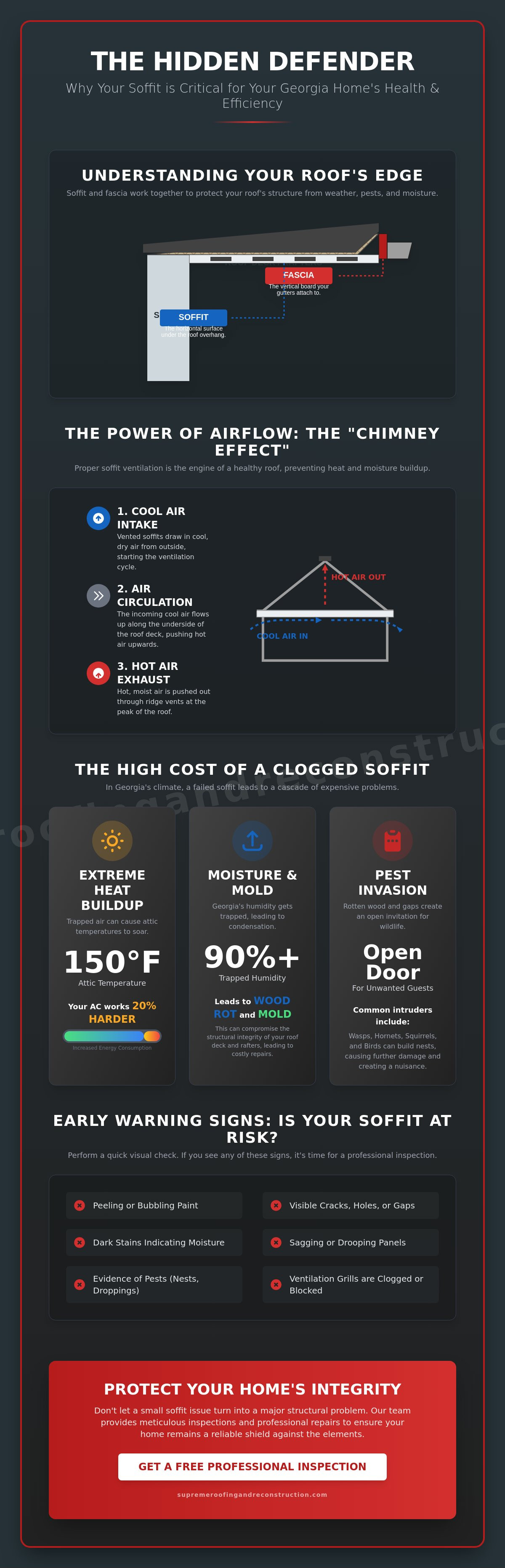
Homeowners often confuse two closely related components: the fascia and the underside. The fascia board is the vertical finishing edge that faces outward. It's the surface where your gutter system is typically mounted. In contrast, the soffit is the horizontal plane tucked beneath it. These two elements function as a unified system to seal the roofline from the elements. While the fascia acts as the "face" of the roof edge, the horizontal panel beneath it provides the necessary closure to keep the attic space dry and secure. Without both working in tandem, your home becomes vulnerable to wood rot and energy loss.
Visual Cues: Where to Look on Your Home
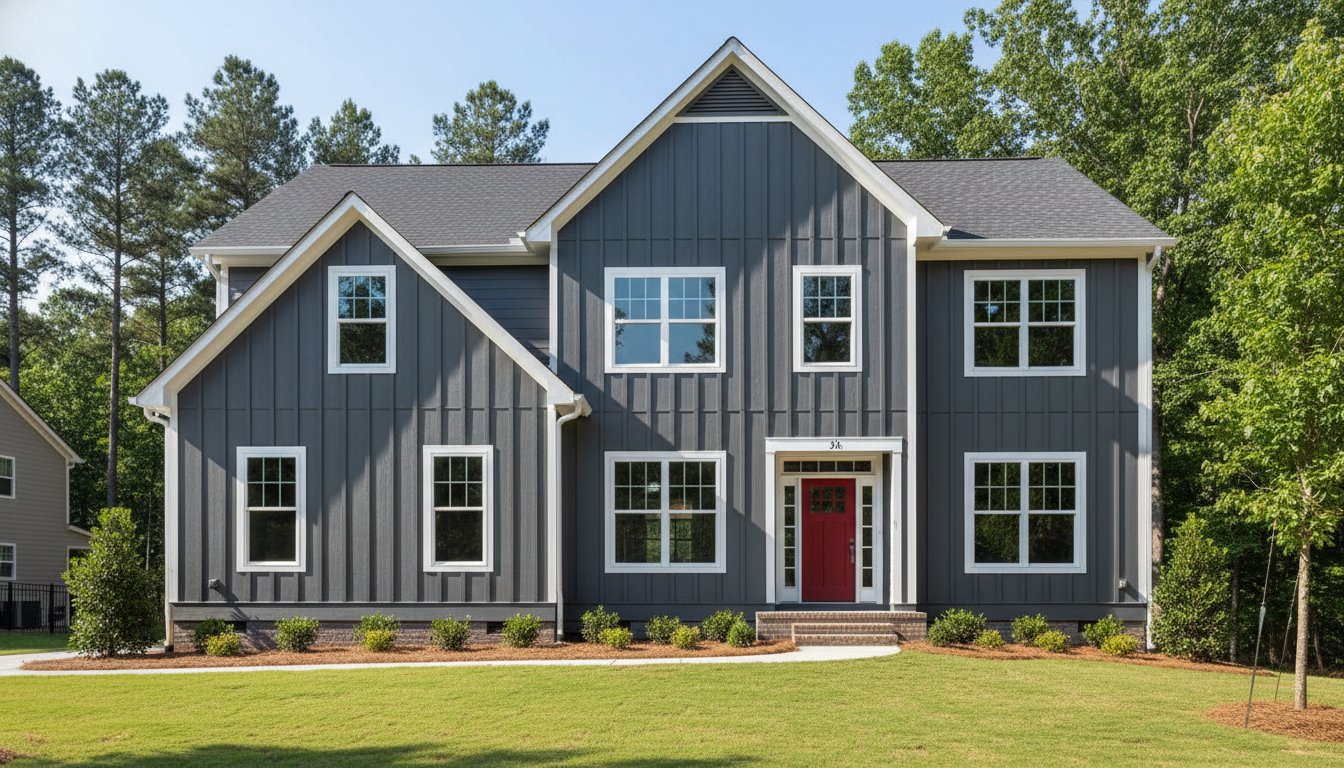
Identifying this feature on your property is simple. Step outside and look directly upward at the "ceiling" created by your roof's overhang. In established North Georgia neighborhoods like Roswell and Alpharetta, you'll notice these panels vary in width, typically ranging from 12 to 24 inches depending on the architectural style. Modern suburban homes in the Atlanta area often utilize vented materials to promote airflow, while historic properties might feature solid wood panels. Whether your home is a contemporary build or a classic Craftsman, this architectural element is a standard requirement for long-term protection. Look for clean, straight lines that meet the siding at a 90-degree angle, ensuring there are no gaps or sagging sections that could invite moisture into your attic.
Why Soffits Matter: The Critical Link to Roof Ventilation
A roof isn't just a shield against the Georgia rain; it's a complex system that requires constant airflow to remain functional. The soffit acts as the intake lung for your entire attic. Without this entry point for fresh air, your home's ventilation cycle breaks down completely. This creates a stagnant environment where heat and moisture can destroy your building materials from the inside out.
Professional roofers rely on the chimney effect to keep your home healthy. This natural phenomenon occurs when cool, dense air enters through the eaves and pushes lighter, hot air upward through the ridge vents at the peak of the roof. This consistent movement prevents "baked" shingles, a common issue in our region where surface temperatures on a roof can exceed 160 degrees. When shingles are cooked from both sides, they become brittle, lose their protective granules, and fail years before their warranty expires.
Preventing Heat Buildup in Atlanta Attics
During a typical July afternoon in Cumming, GA, attic temperatures can easily climb to 150 degrees if the air isn't moving. This trapped heat doesn't stay in the rafters. It radiates through your insulation and into your bedrooms, forcing your air conditioner to work 20% harder to keep up with the thermostat. Ensuring proper roof ventilation is the most effective way to lower these cooling costs and protect your HVAC system from premature burnout. Our team focuses on meticulous airflow calculations to ensure your attic stays within a safe temperature range throughout the summer.
Combating Condensation and Mold Growth
Humidity is the silent enemy of Georgia homes. When the relative humidity outside hits 90%, that moisture-laden air can become trapped against the underside of your roof deck. As temperatures drop at night, this vapor condenses into liquid water, soaking your plywood and rafters. This cycle leads to several critical issues:
- Wood Rot: Constant moisture softens the roof deck, leading to sagging and structural instability.
- Mold and Mildew: Fungal growth thrives in dark, damp attics, which can eventually compromise the indoor air quality for your family.
- Insulation Damage: Wet insulation loses its R-value, making it useless for temperature regulation.
A well-maintained soffit system provides the necessary cross-ventilation to sweep this moisture away before it can settle. If you've noticed a musty smell in your upper floors or dark spots on your plywood, it's time to consult with a local specialist who understands the unique climate challenges of the Southeast. Maintaining a dry, stable roof structure is the only way to guarantee the long-term integrity of your property.
Choosing the Right Soffit Material for the Southeast Climate
Georgia's climate is notoriously tough on building materials. With average morning humidity levels in Atlanta hovering around 82 percent according to National Weather Service data, moisture management is a non-negotiable priority for homeowners. Traditional wood soffits often fail in this environment because they trap dampness, leading to premature rot and pest infestations. Supreme Roofing replaces these high-maintenance wood options with advanced materials designed to endure the Southeast's unique weather cycles. We prioritize longevity by selecting products that resist the warping and mold growth common in Cumming and the surrounding metro areas.
Vinyl and Aluminum: The Modern Standard
In Lawrenceville and Marietta, vinyl has emerged as a top-tier choice for its sheer resilience. It doesn't warp or peel, and it never needs a fresh coat of paint. This material is naturally rot-resistant, making it a "set it and forget it" solution for busy families. For modern architectural styles in Atlanta, aluminum provides a sleek, fire-resistant alternative that withstands high-wind events during storm season. Both materials offer a clear benefit: they protect your home's integrity without requiring the annual upkeep associated with timber. You can maintain these surfaces with a simple garden hose, saving hours of labor over the lifespan of the soffit system.
The Role of Vented vs. Solid Panels
Achieving a balanced attic temperature requires the right hardware. Vented panels act as the intake for your home's respiratory system. They contain thousands of tiny perforations that pull cool air into the attic space. Solid panels are reserved for areas like porch ceilings or specific overhangs where direct ventilation into the roof structure isn't required. We calculate the exact Net Free Ventilating Area (NFVA) for every project to ensure your home stays protected.
- Vented Panels: These allow air to pass through freely, preventing heat from baking your shingles from the inside out.
- Solid Panels: These provide a clean, finished look in areas where airflow isn't a technical requirement.
- The Supreme Ratio: Our team typically follows a 1:300 ventilation ratio, which is the standard recommended by the Federal Housing Administration (FHA) to prevent moisture buildup.
Supreme Roofing uses only high-durability materials that exceed local building codes. By choosing these professional-grade components, you invest in a roof system that remains stable during the hottest July afternoons and the wettest spring seasons. We focus on a meticulous installation process that ensures every soffit panel is secure, providing a seamless barrier against the elements and local wildlife. This proactive approach eliminates the stress of frequent repairs and keeps your home's structural integrity intact for years to come.
Common Soffit Problems Homeowners Face in Cumming and Atlanta
Many homeowners assume that because their soffits aren't visible from the street, they don't require regular maintenance. This is a dangerous misconception. Your soffit serves as a critical barrier between the elements and your home’s internal structure. Neglect often leads to structural decay that remains hidden until it requires an expensive overhaul. Identifying the signs of failure early saves you from the stress of emergency repairs.
Keep a close eye on your eaves for these red flags:
- Peeling or bubbling paint, which indicates trapped moisture.
- Sagging panels or visible gaps between the soffit and the fascia board.
- Discoloration or dark mold spots on the underside of the roof overhang.
- Evidence of nesting materials or chew marks around the edges.
Severe weather in North Georgia frequently accelerates these issues. High winds and heavy rains can dislodge panels, leaving your attic vulnerable to moisture. If you’ve recently experienced a major storm, we recommend reviewing our guide on storm damage restoration to ensure your roof’s perimeter remains secure. Proactive care is the most effective way to maintain home value. Integrating these checks into a comprehensive roof maintenance plan ensures that small vulnerabilities don't turn into structural disasters.
Pest Infestations: Squirrels, Bees, and Birds
Georgia’s wildlife is persistent. A rotted or damaged soffit provides a perfect entry point for squirrels. A gap as small as two inches is an open invitation for them to move into your attic. Once inside, they chew through wiring and insulation, creating a significant fire hazard. Wasps and carpenter bees also target wood structures, boring holes that weaken the integrity of your eaves. Sealing these entry points with high-quality materials is a critical step in our home protection process. We focus on meticulous repairs that keep your home secure from local pests.
Wood Rot and Water Damage from Gutter Overflows
Clogged gutters are the primary cause of soffit failure. When debris prevents water from flowing through the downspouts, it backs up and spills over the rear edge of the gutter. This constantly soaks the fascia and the soffit. Over time, a "wicking" effect occurs where moisture travels upward into your rafters and roof deck. This silent killer of roof eaves can compromise your entire roofing system if left unchecked. Regular gutter cleaning and inspections are essential to prevent this moisture from rotting your home’s wooden bones from the inside out.
Don't wait for a leak to reveal hidden damage. Contact Supreme Roofing and Reconstruction for a professional eave inspection and protect your home today.
Protecting Your Investment: Professional Soffit Services from Supreme Roofing
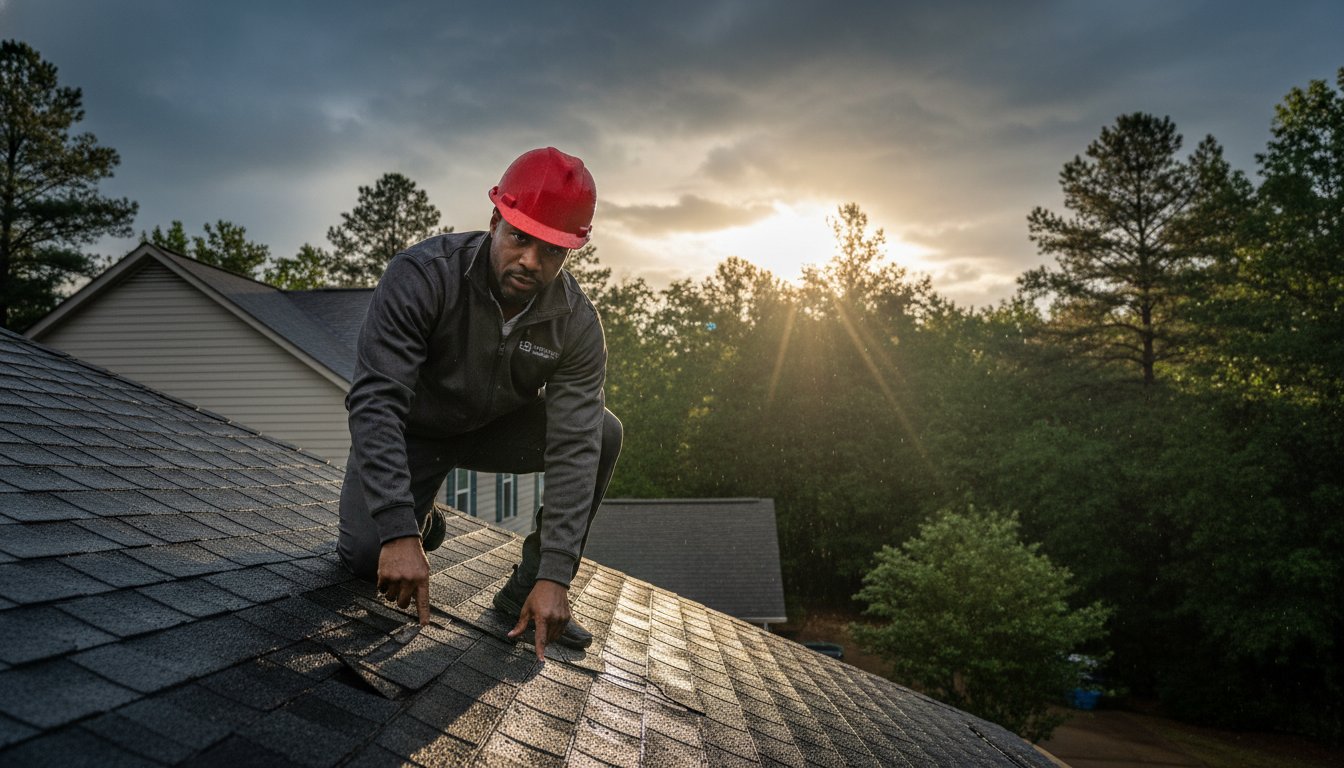
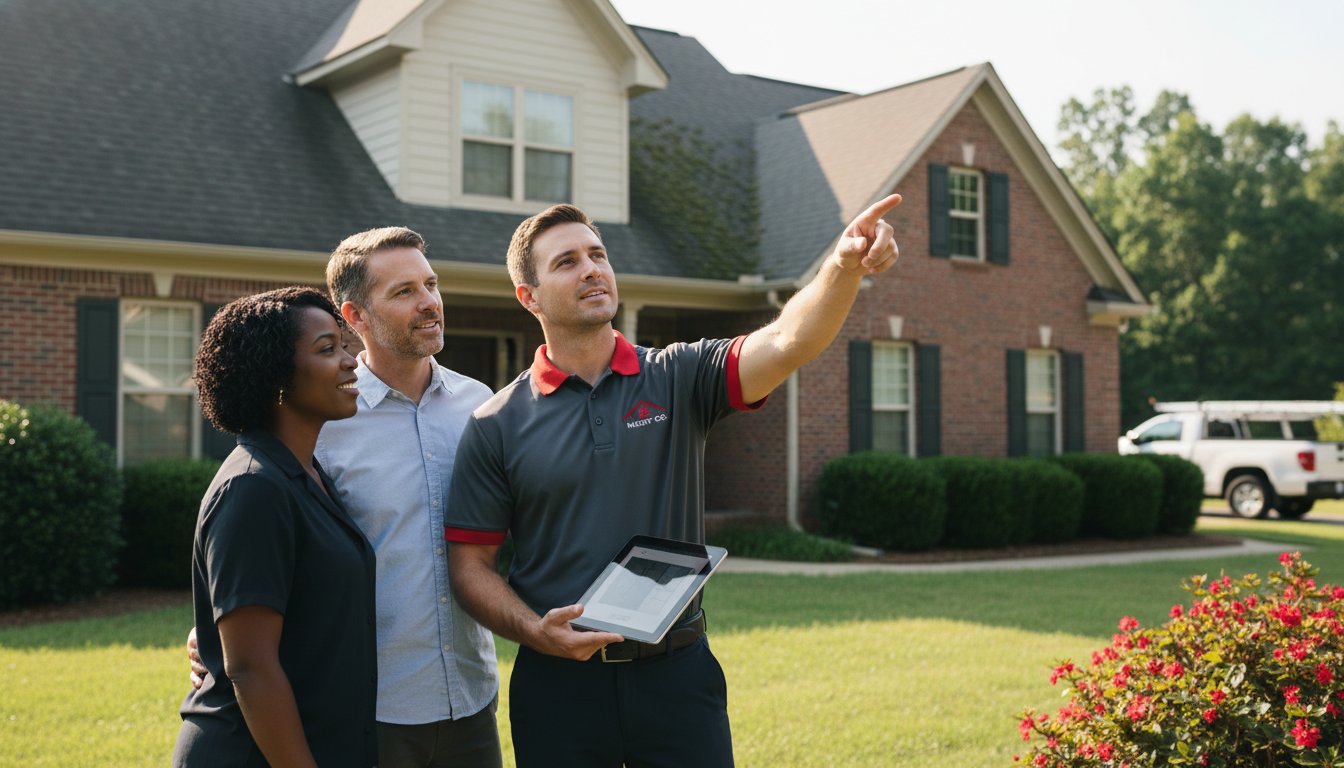
Your home represents a significant life investment. We treat every property with the same care we give our own families' homes. Supreme Roofing acts as your dedicated local ally, ensuring your exterior remains resilient against the elements. Our team doesn't just look at the surface; we perform deep-dive inspections to identify hidden rot or pest intrusion before these issues compromise your structural foundation. We adopt the persona of the Expert Protector to give you peace of mind during every storm season.
We maintain Supreme standards by selecting high-grade materials that withstand the test of time. Our craftsmanship focuses on long-term durability rather than quick fixes. This commitment to excellence ensures your soffit system functions perfectly, providing the essential ventilation your attic requires to prevent heat buildup and moisture damage.
Our Meticulous Repair and Replacement Process
We prioritize a seamless aesthetic for every project. Our technicians utilize a precision color-matching system to ensure new installations blend perfectly with your existing siding and trim. We don't stop at the exterior panels. If we find moisture damage in the underlying rafters or sub-fascia, we repair those structural elements first. This comprehensive approach prevents recurring issues and protects your roof's integrity.
- Exact Material Matching: We source high-quality aluminum, vinyl, or wood to match your home's original design.
- Structural Restoration: We replace decayed wood and reinforce support beams before installing new panels.
- Insurance Advocacy: If Georgia storms caused the damage, we provide transparent documentation and assist you through the claims process to minimize your stress.
Why Local Expertise Matters in North Georgia
Our deep roots in Cumming, Alpharetta, and the surrounding Atlanta metro areas give us a unique advantage. We understand how the specific Georgia climate, characterized by 70% average humidity and intense summer heat, affects your home's exterior. We design every soffit installation to meet or exceed local building codes, ensuring your ventilation system can handle the heavy rainfall and wind common in North Georgia.
We've spent years building a reputation for honesty and reliability in our community. When you choose a local expert, you're choosing a neighbor who is accountable for the work performed. We stand by our results because we live and work in the same neighborhoods we serve. Don't wait for a small leak to become a major structural failure.
Protect Your Georgia Home With Supreme Standards
Maintaining your home's exterior anatomy is about more than just curb appeal. It's about protecting your largest investment from the humid Southeast climate. A well-installed soffit system ensures critical attic ventilation. This prevents moisture buildup and wood rot before they compromise your roof's structural integrity. Since 2016, Supreme Roofing and Reconstruction has provided meticulous local craftsmanship to homeowners across Georgia and Alabama. We understand the specific challenges of our region, from sudden storm damage to navigating complex insurance claims. Our team acts as your expert protector, ensuring every detail meets our "Supreme" standards for long-term safety.
Don't let hidden damage turn into a costly emergency. We take the stress out of home maintenance by handling the technical details and providing a steady hand during the restoration process. Your peace of mind starts with a thorough evaluation of your roof's health. Schedule your 'Supreme' exterior inspection today! We look forward to serving your home with the honesty and reliability you deserve.
Frequently Asked Questions
Is soffit repair covered by homeowners insurance?
Homeowners insurance typically covers repair costs if a specific, sudden event like a 60 mph windstorm or a fallen tree limb causes the damage. Policies usually exclude repairs for gradual rot or 15 years of neglect. We act as your expert advocate during the claims process to ensure your roof restoration meets Supreme standards of quality and safety.
Can I paint my vinyl or aluminum soffits?
You can paint these surfaces, but you must use 100% acrylic latex paint specifically formulated for exterior use. Vinyl requires "vinyl-safe" colors to prevent the panels from warping under 95-degree Georgia heat. Proper preparation is vital; you must remove 100% of surface oxidation and debris to achieve a seamless, professional finish that lasts.
How do I know if my soffits are properly vented?
You can verify airflow by holding a single tissue against the vent while your attic fan runs. If the tissue sticks to the intake, air is moving correctly. According to FHA guidelines, a healthy attic requires 1 square foot of ventilation for every 300 square feet of attic floor space to prevent heat buildup.
What is the average lifespan of a vinyl soffit in Georgia?
A high-quality vinyl soffit typically protects an Atlanta home for 25 to 30 years. Our local humidity and frequent summer storms can degrade thinner materials faster than premium options. Choosing Supreme grade materials ensures your home’s perimeter maintains its structural integrity and resists sagging or discoloration for three decades.
Can I install soffit vents myself or do I need a pro?
You can perform the installation yourself, but professional help ensures 100% compliance with local Cumming building codes. Precision is critical because one wrong cut can damage your home's structural rafters or eaves. Our meticulous installation process guarantees that your ventilation system provides maximum airflow while keeping 100% of local pests out of your attic.
Why is there mold growing on my soffit panels?
Mold grows when moisture traps against the panels, often caused by 0% airflow or leaking gutter systems. In Georgia, 75% humidity levels create an ideal environment for spores if your attic isn't breathing properly. This growth often indicates that your soffit system is failing to exhaust hot, moist air from your home's interior.
Do all homes have soffits, or just certain styles?
Not every home has them; "flush eave" designs eliminate the overhang entirely. However, 90% of modern residential structures in the Atlanta area utilize them to shield rafters from water damage. If your roof edge extends 6 inches or more past your exterior walls, you have this essential component protecting your home.
How often should I clean my soffit vents?
You should clean your vents 2 times per year to clear away North Georgia pollen, dust, and debris. Clogged vents can reduce your attic's cooling efficiency by as much as 40% during July and August. A simple soft-bristle brush or a blast of compressed air keeps your ventilation system performing at Supreme levels of efficiency.